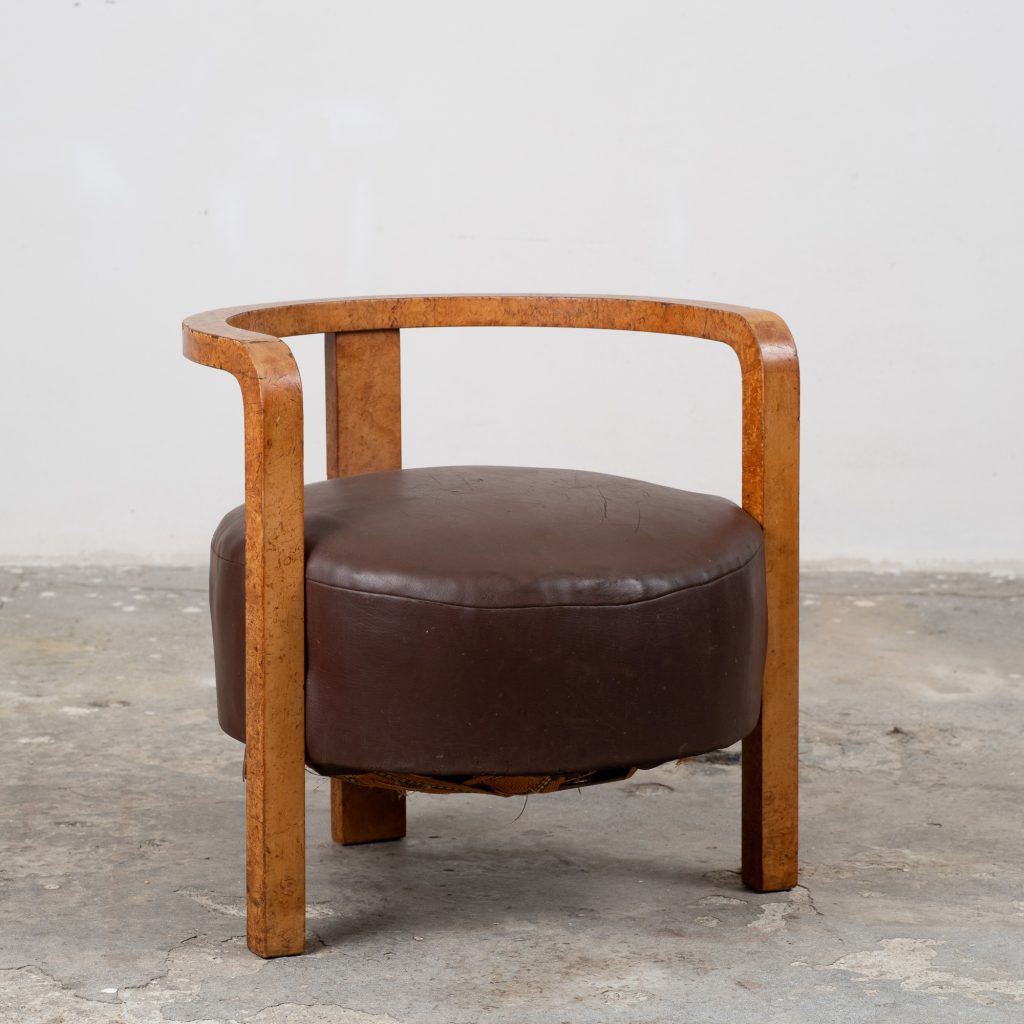
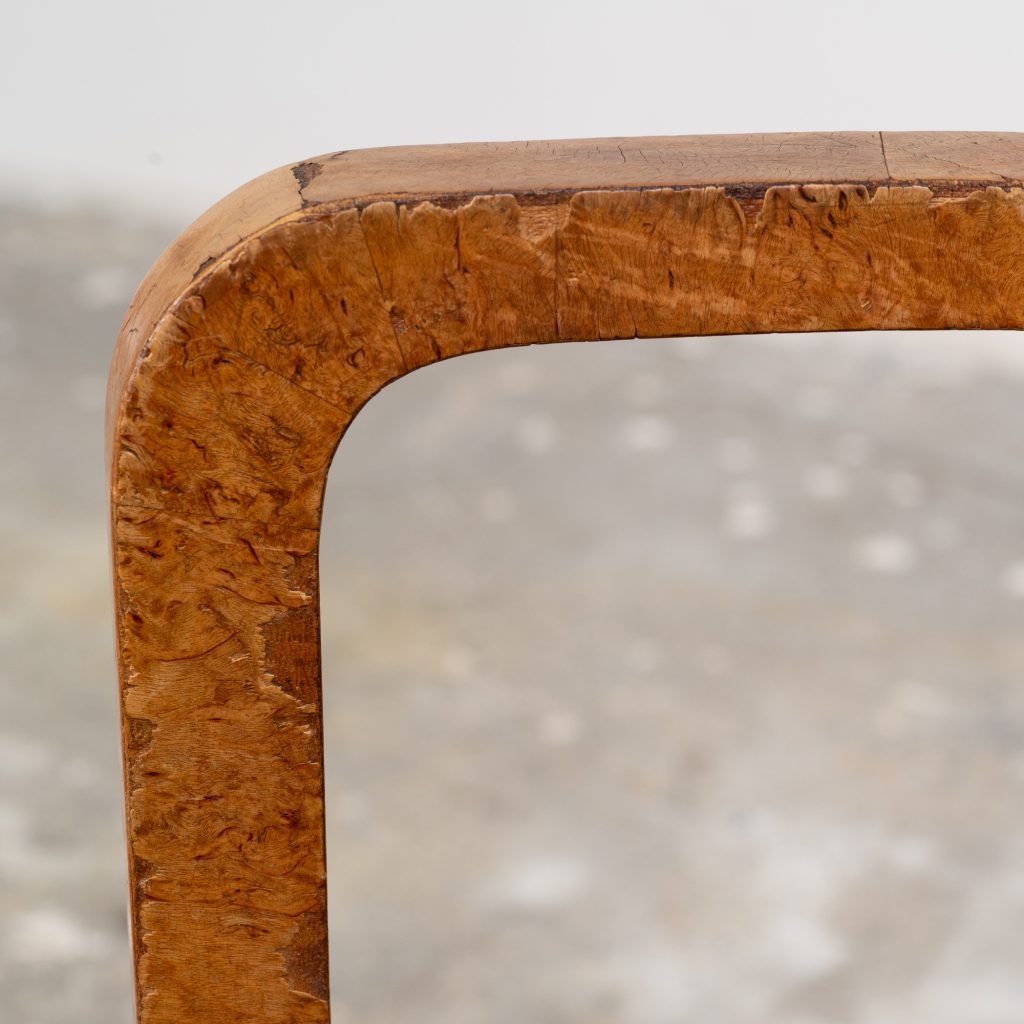
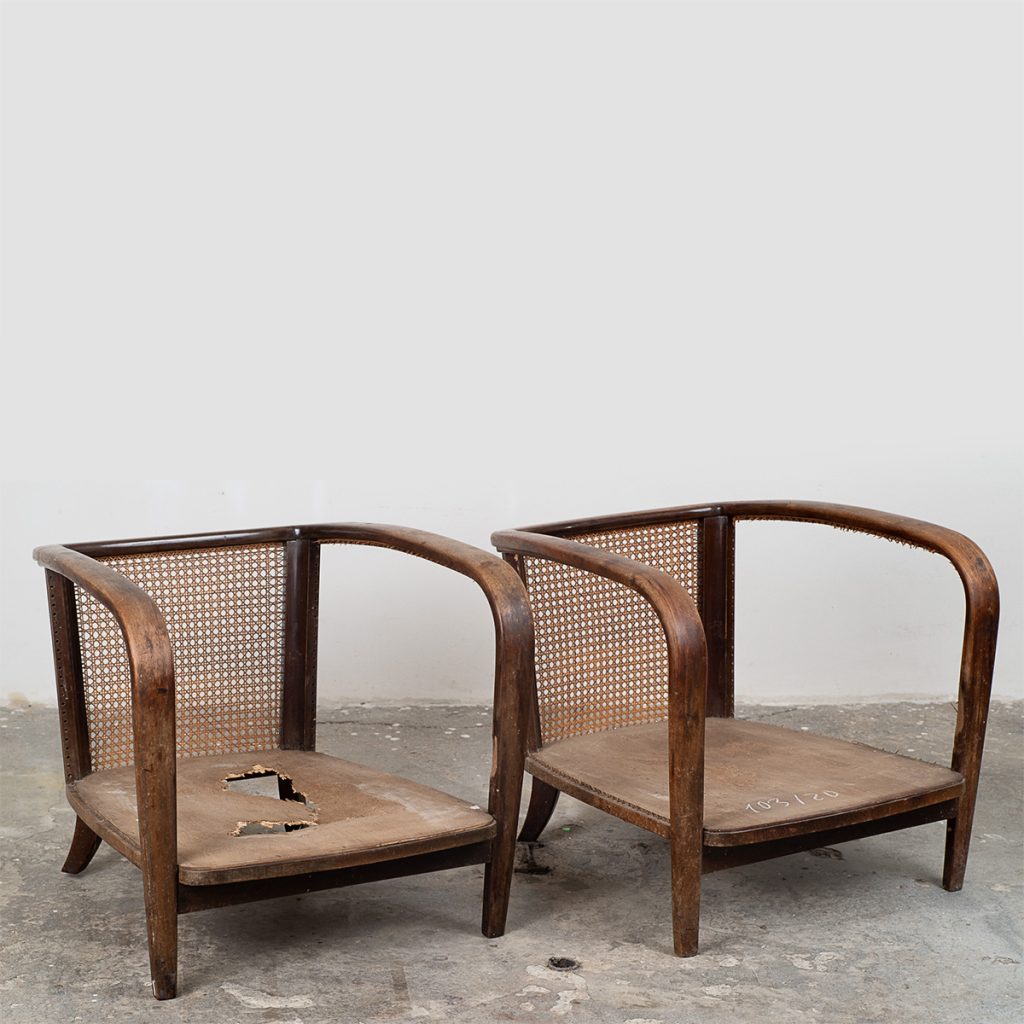

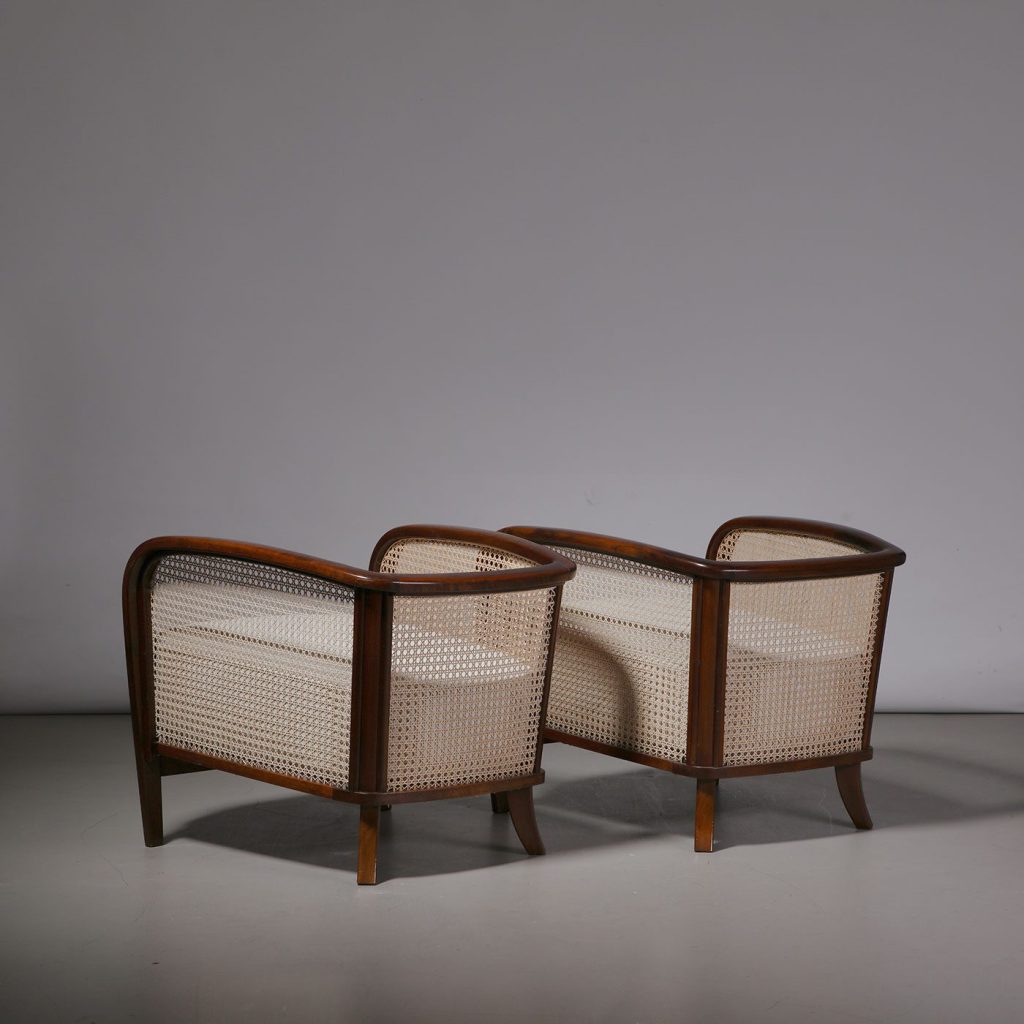
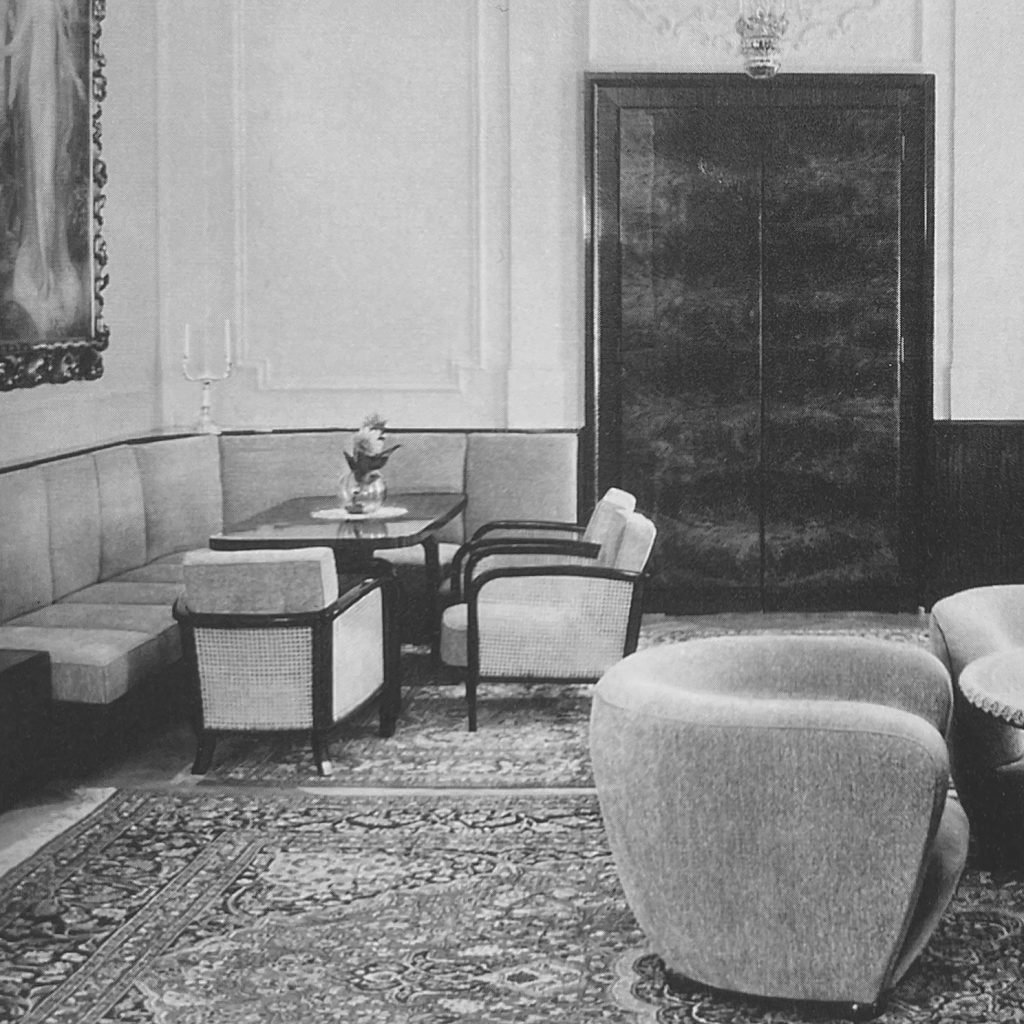
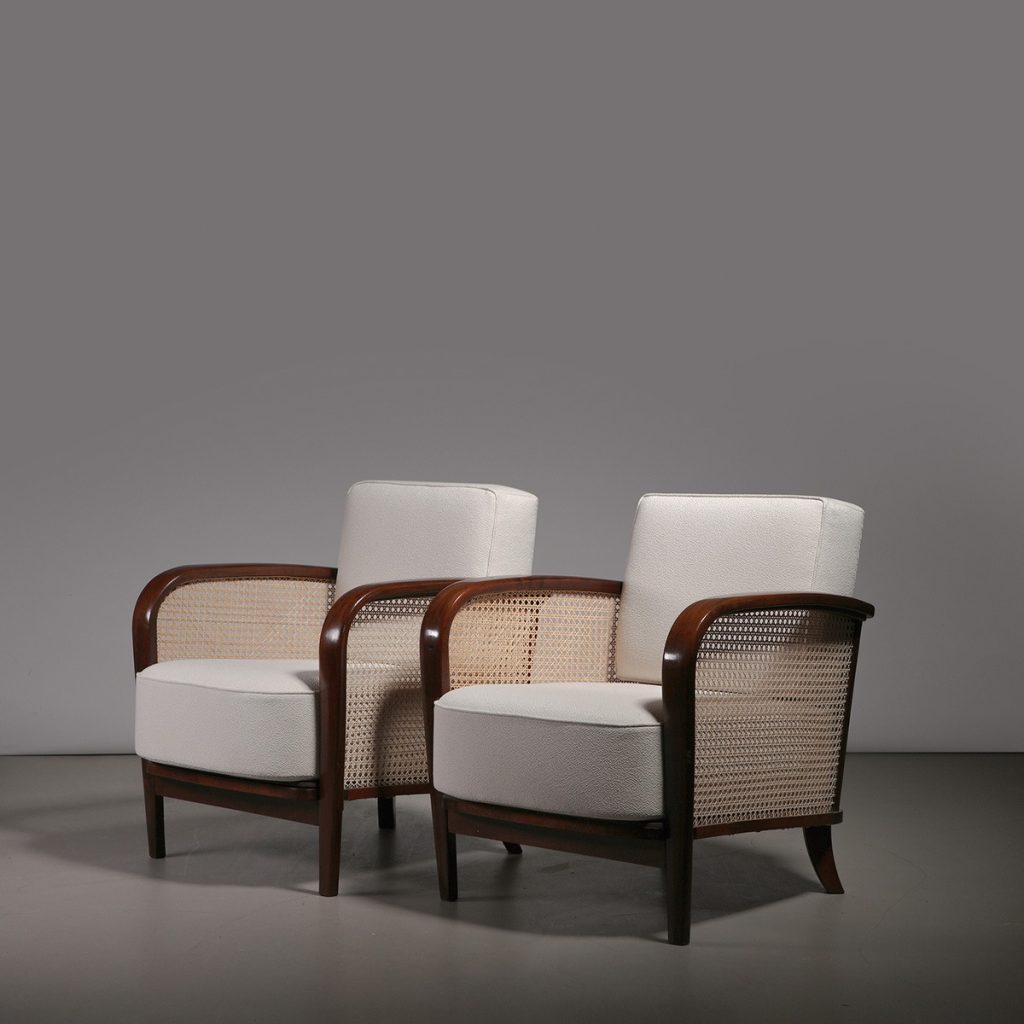
Rare pair of lounge chairs in walnut and white fabric upholstery, model H-319, designed by Jindřich Halabala and manufactured by UP závody in former Czechoslovakia, 1920s.
The restoration on these armchairs involved removing the damaged finish and restaining the wood to its original shade, followed by the application of a new shellac polish finish. The process also included replacing the plywood seat base and installing new rattan caning.
One of the rarest armchair models by the renowned Czech designer, the H-319 model designed for UP závody in Brno features a fabulous look achieved by the minimalist walnut frame, the incredible rattan and removable pillows, all elements that are rarely seen in Halabala’s work, making this chair model a delightful collector’s item. After a thorough inspection of their structure and condition, these armchairs were meticulously restored by a historic conservator, staying true to the original intentions of the designer. These lounge chairs are hence unequaled in their rarity and appearance, and will most definitely add character to one’s interior and brighten up the space by adding a touch of style and elegance.
Featured in the Jindřich Halabala catalog, this armchair model was featured in the home of Vladimír Mareček in Brno, the managing director of UP závody where Halabala served as chief designer.
Heinrich Albert Otto Schulz (1882–1970) was one of the most distinctive and accomplished figures in 20th-century Swedish design and Scandinavian modernism. Born in Salzwedel, Germany, Schulz trained as an architect and designer before relocating to Sweden in 1907—a move that would ultimately define his career. Somewhat contrary in both temperament and approach, Schulz developed a body of work that resisted easy categorization, moving fluidly between tradition and modernity. Today, more than fifty years after his death in Gothenburg’s Vasa Parish, he is regarded as a pivotal contributor to both Swedish Grace and Swedish Modern design.
Schulz studied architecture and design at several institutions in Germany, most notably the Technical University in Charlottenburg between 1900 and 1907, as well as the Architectural School in Berlin. One of his most influential teachers was Alfred Grenander, the Swedish architect best known for designing more than seventy underground stations in Berlin. Through Grenander, Schulz was introduced to Sweden and secured an internship in Gothenburg in 1907. He subsequently trained and worked as a draftsman at the furniture and carpentry firm Selander & Söner, where he remained for three years before deciding to settle permanently in the city.
In 1910, Schulz established his own practice, specializing in interior design. His early work included interiors for hotels and restaurants, as well as the design of ship interiors—a lucrative and prestigious field in the busy harbor town of Gothenburg. These commissions allowed Schulz to refine a highly personal design language, characterized by inventive construction, luxurious materials, and a sophisticated balance between ornament and function.
Continue reading Otto Schulz: Master of Swedish Design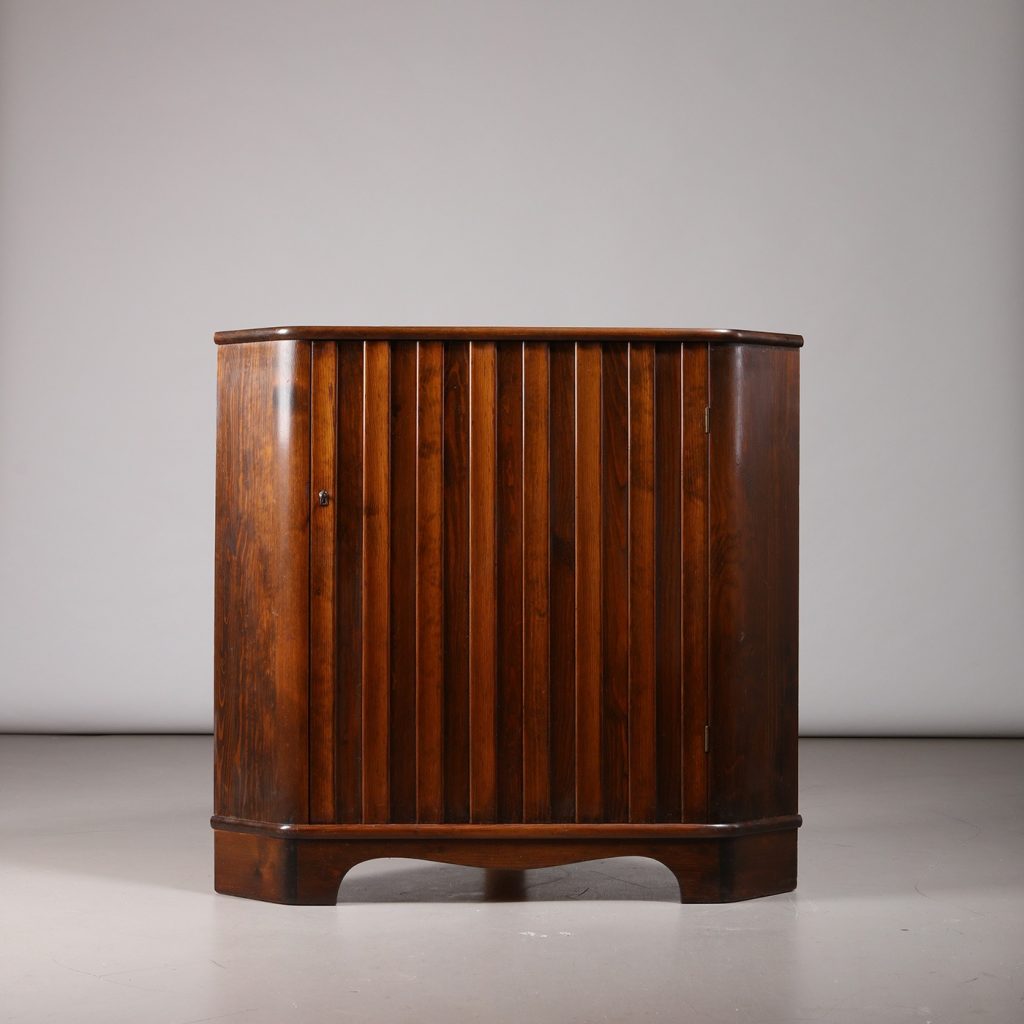
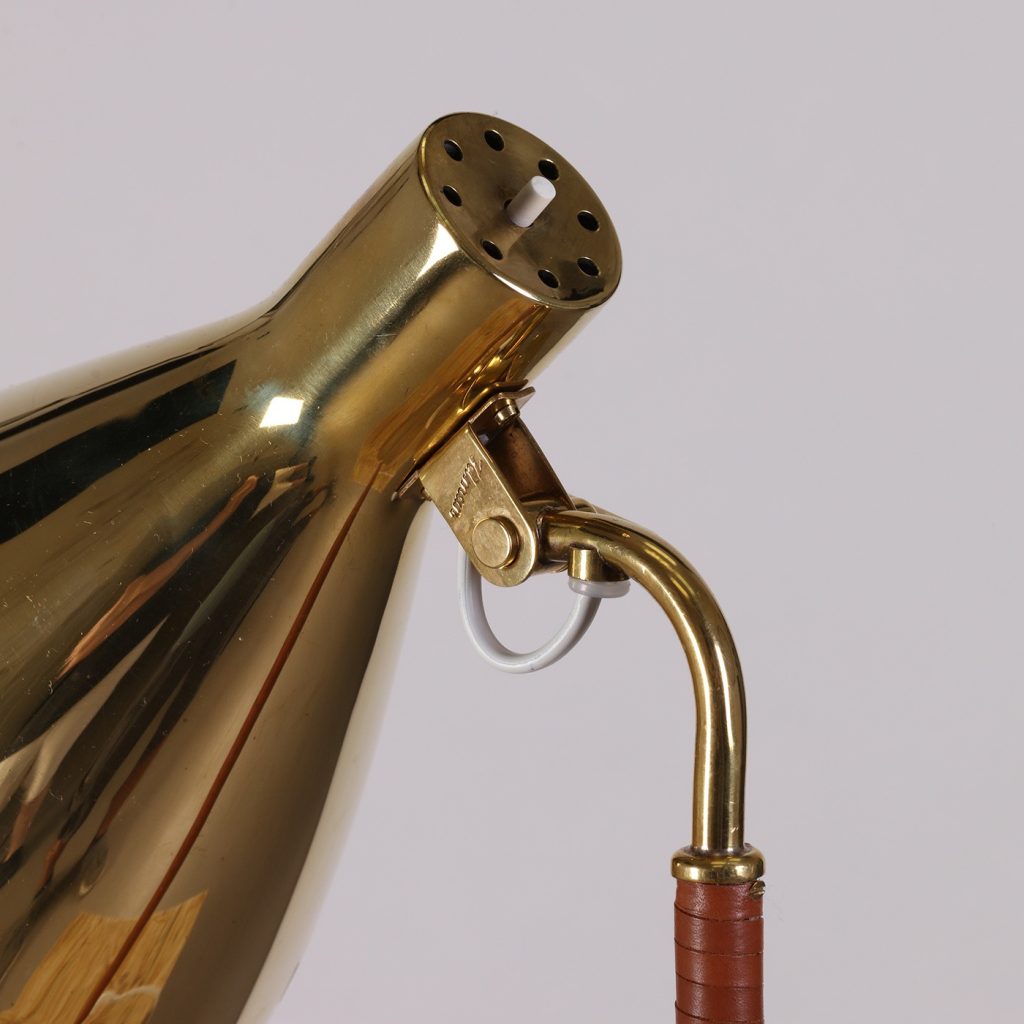
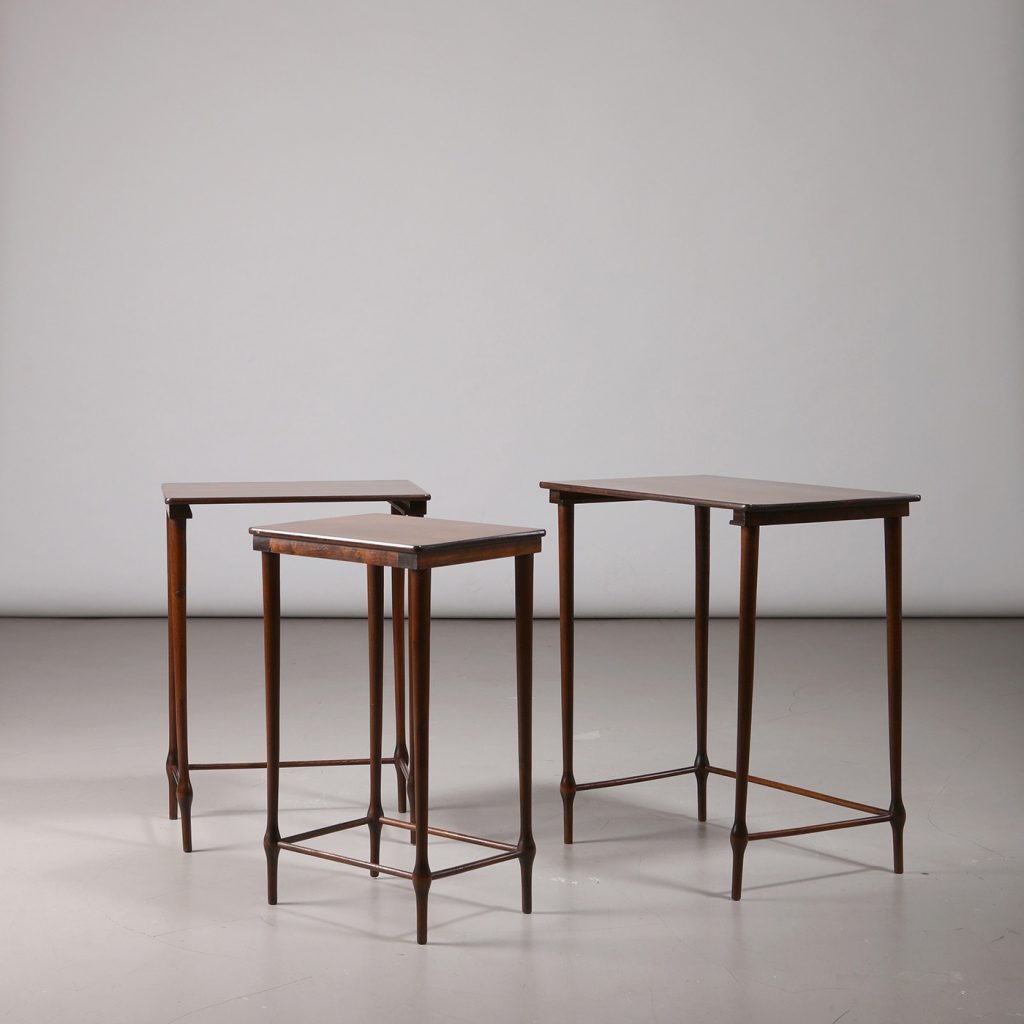
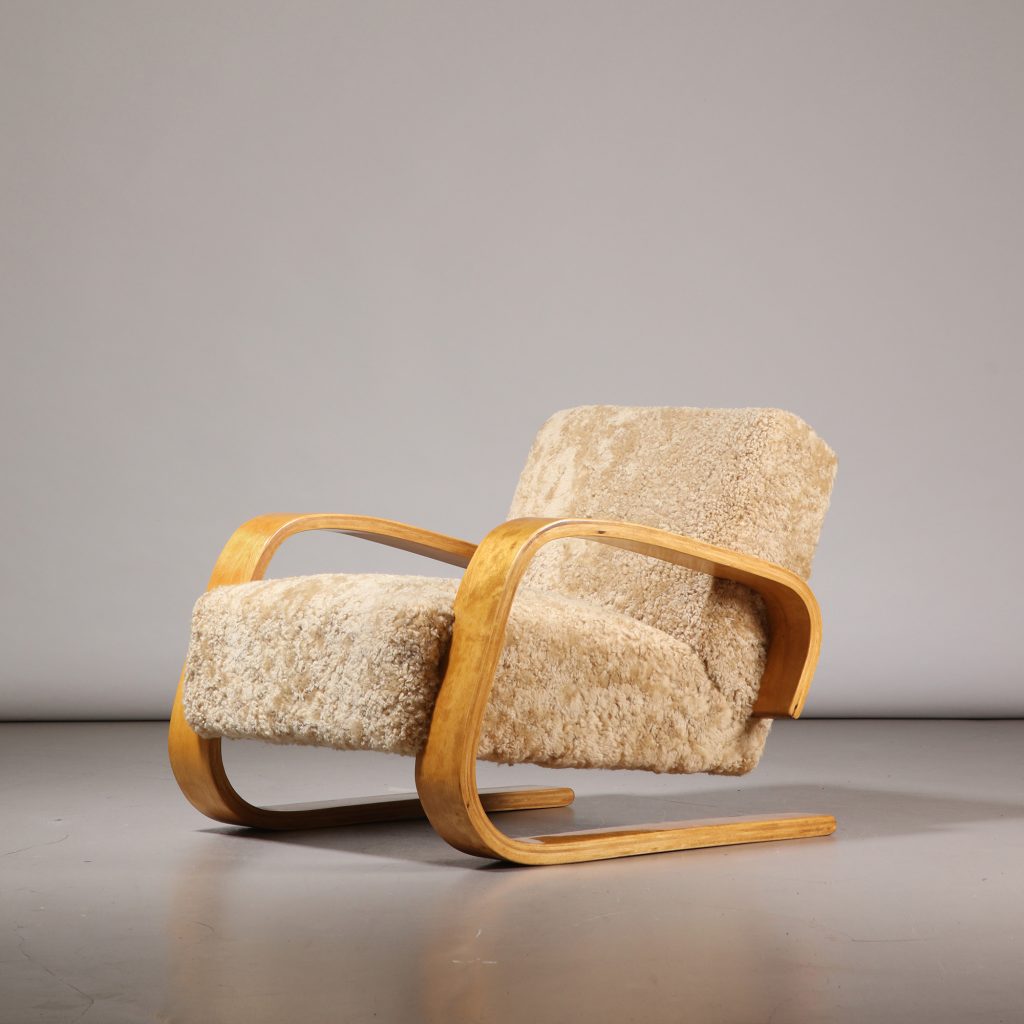
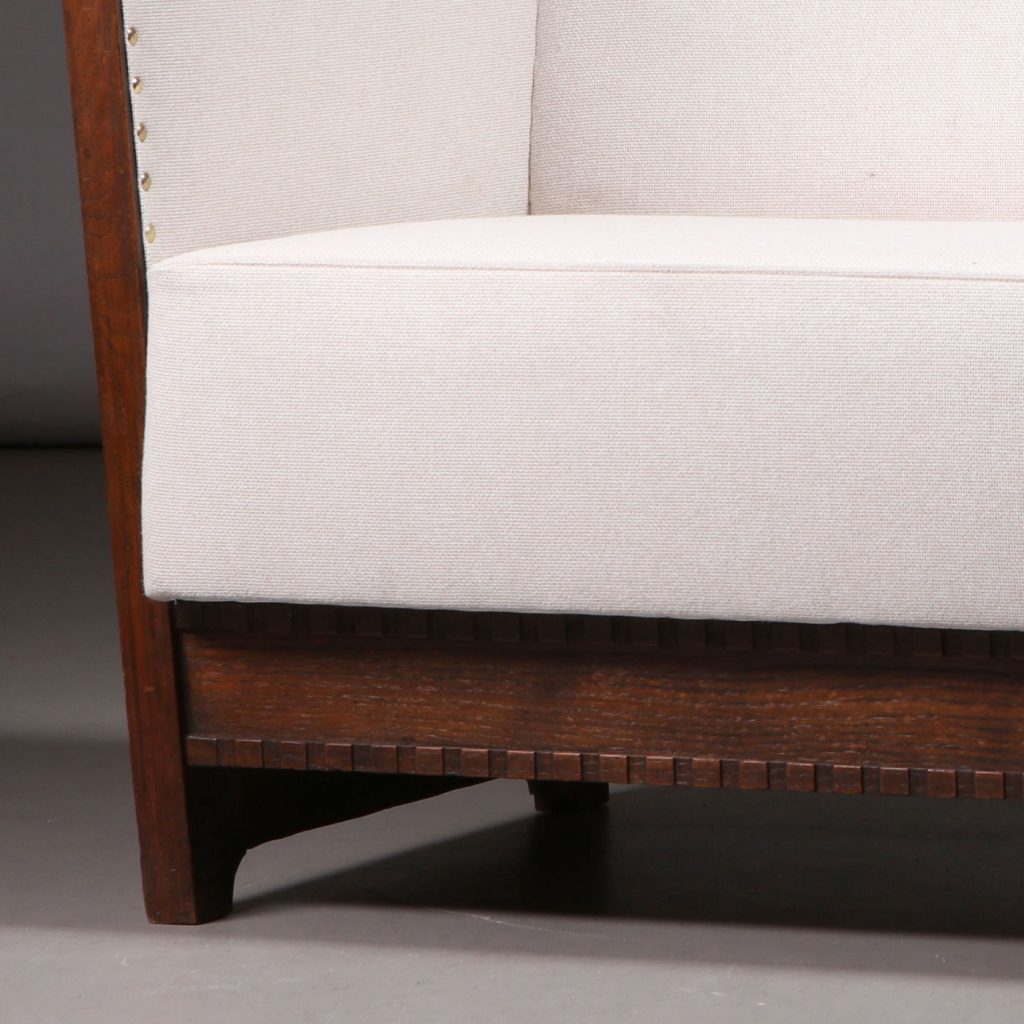

At Formalist Gallery, we always aim for perfection, not only in our service but as well in our approach to each individual item.
Every single piece that comes to our company is at first always being carefully inspected, to the smallest details. We then always ask the very same question, what does the item truly need? Does it need to be professionally restored or perhaps kept in its original condition?
Continue reading Our Proper Restoration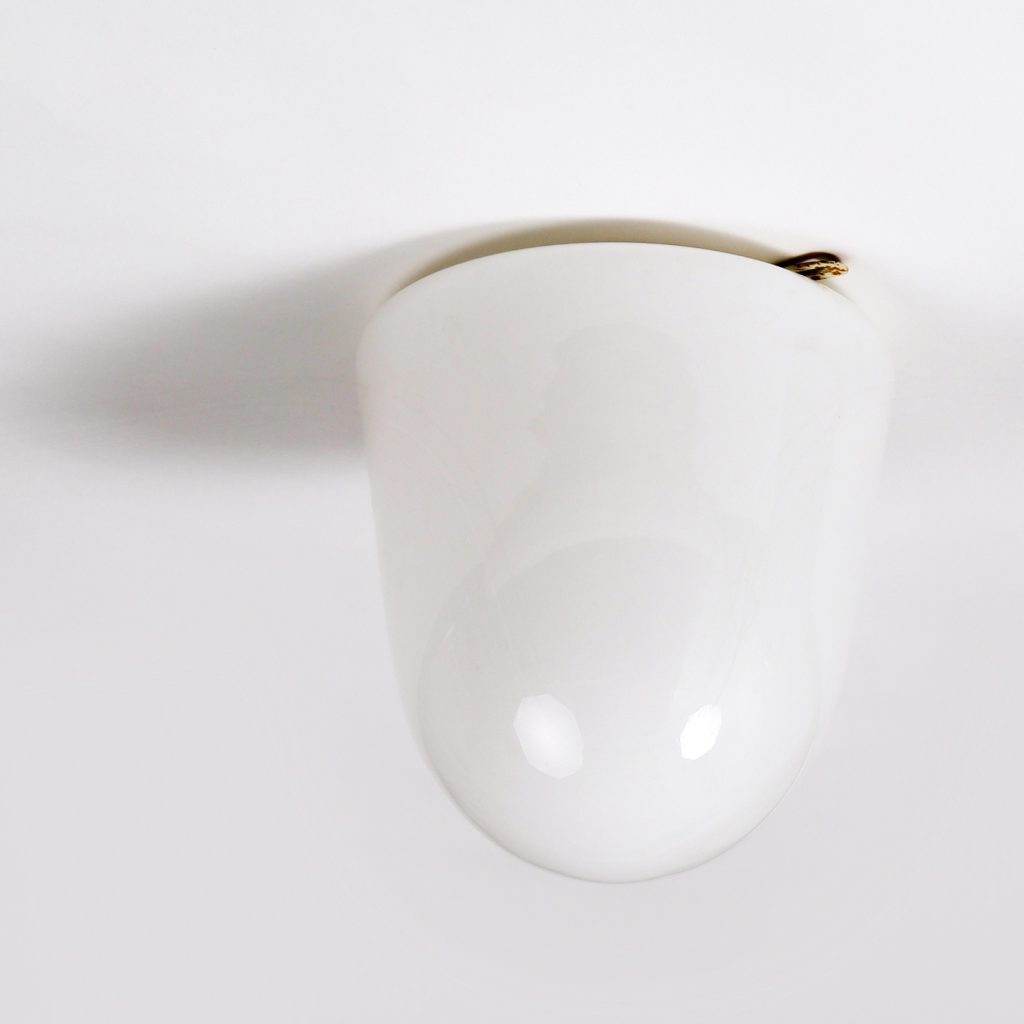
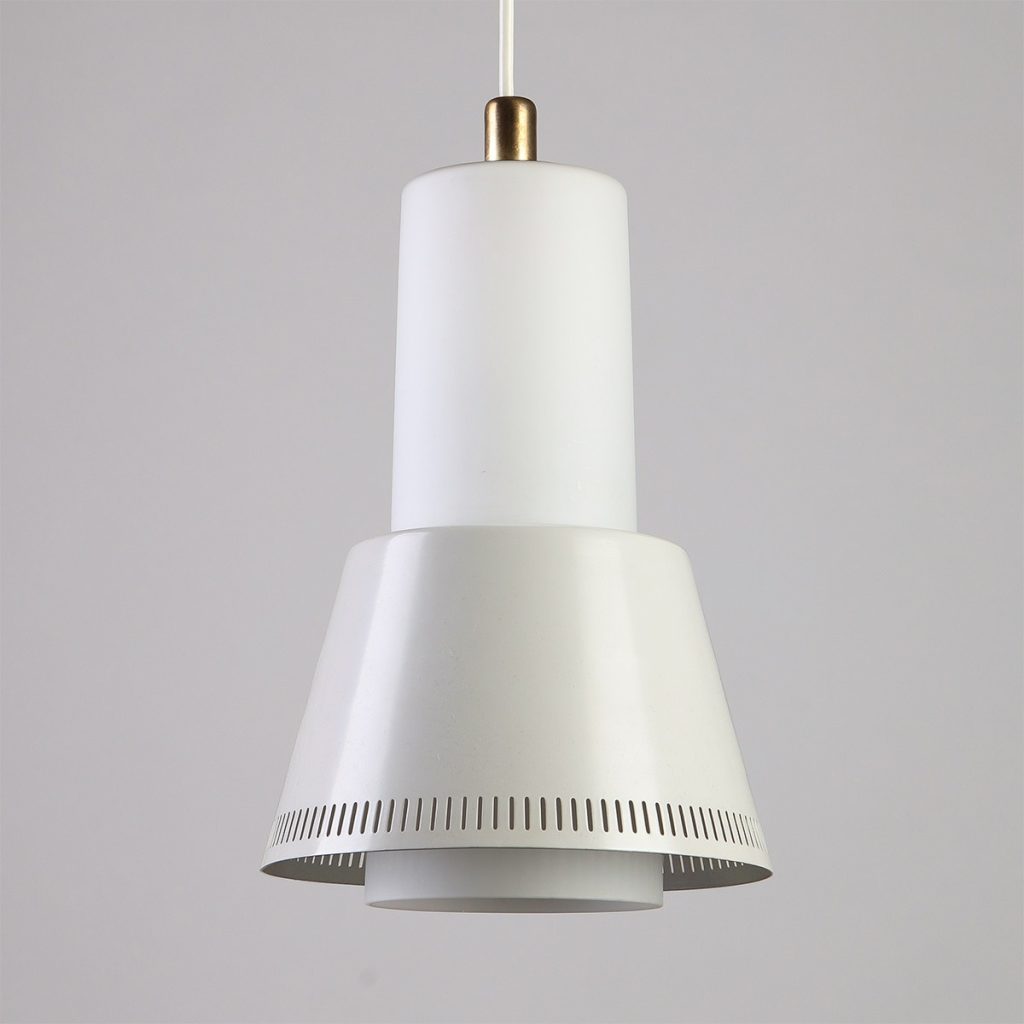
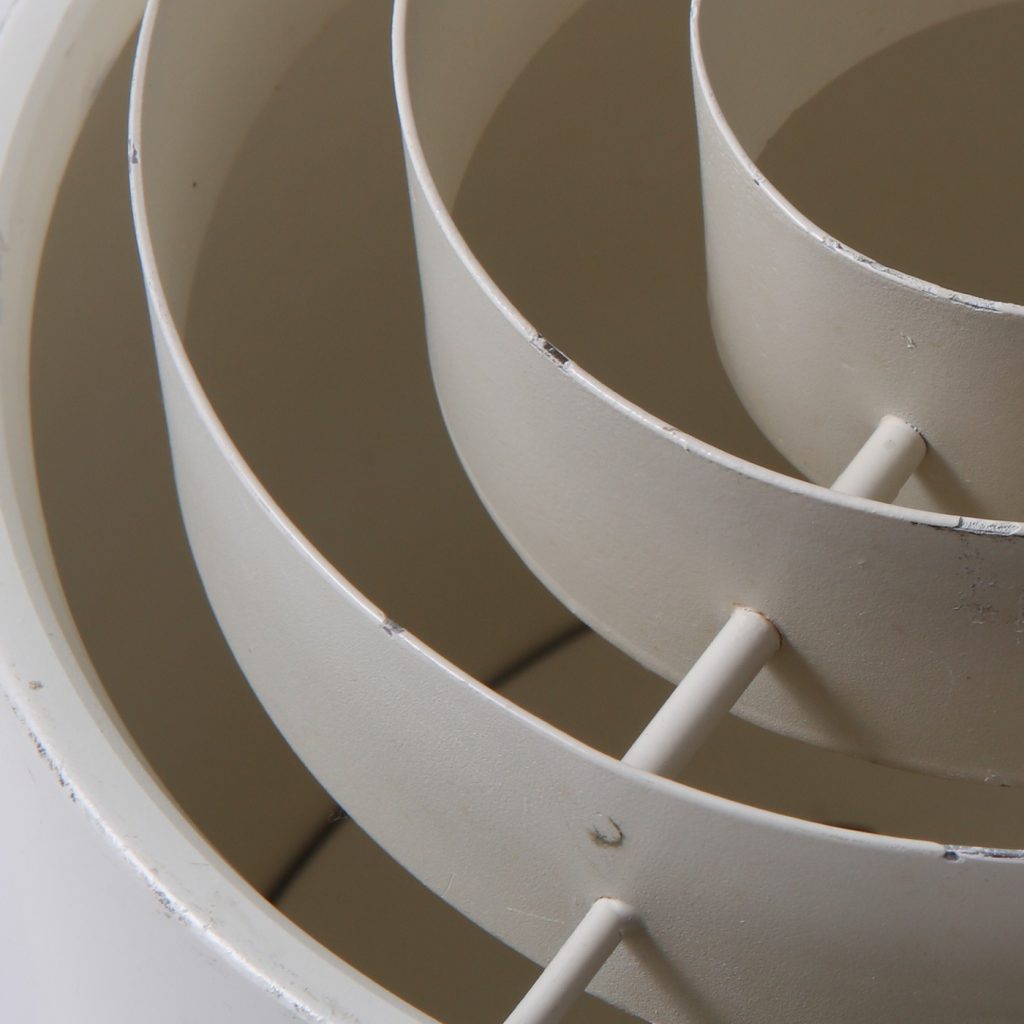
Karl Hjalmar Idman was born on December 11, 1872, in Helsinki. As he grew up, he moved to Pori, a smaller city located in the southwest of Finland. In 1897, when Karl was 25 years old, he established his first company, Idman, in a house that also served as his home at that time. Initially, he focused on selling lamps as well as other glass and porcelain goods. Although his business was doing well, Hjalmar Idman wanted to expand into the wholesale sector.
Continue reading The History Behind Idman Oy